

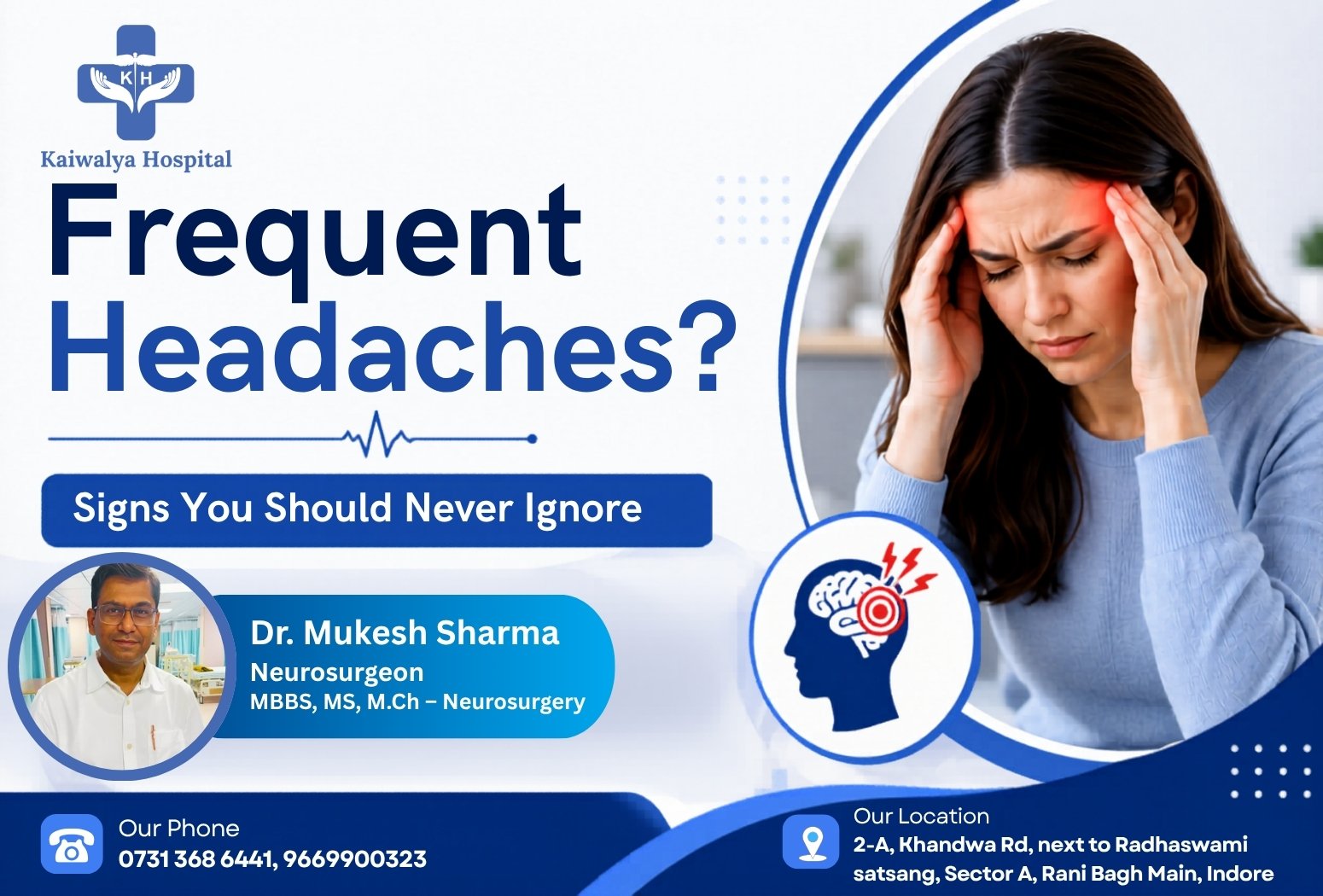

Headaches are common, but frequent or severe headaches should never be ignored. If you are experiencing repeated headaches, it may be time to seek the Best Treatment for headaches in Indore. While some headaches happen due to stress or lack of sleep, others may indicate underlying neurological or health problems that require medical attention.
According to global studies, nearly 50% of adults experience headaches every year, and around 15% suffer from migraines or chronic headaches. Ignoring these symptoms can affect your daily life, work, and overall well-being.
Consulting Dr. Mukesh Sharma, known as the Best Neurosurgeon in Indore, can help identify the root cause and provide the right treatment before the condition worsens.
Understanding Different Types of Headaches
Not all headaches are the same. Understanding the type of headache helps doctors decide the right treatment.
Tension Headaches
These are the most common headaches and usually feel like pressure around the head.
Migraine
Migraines often cause severe throbbing pain, nausea, and sensitivity to light or sound.
Cluster Headaches
These headaches occur in cycles and can cause intense pain around one eye.
Sinus Headaches
Caused by sinus infections or allergies, often accompanied by facial pressure.
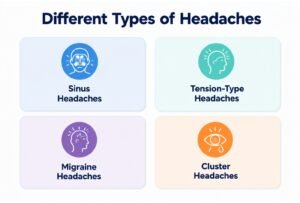
Getting the Best Treatment for headache in Indore helps identify the exact type and cause of headache for effective relief.
Warning Signs You Should Never Ignore
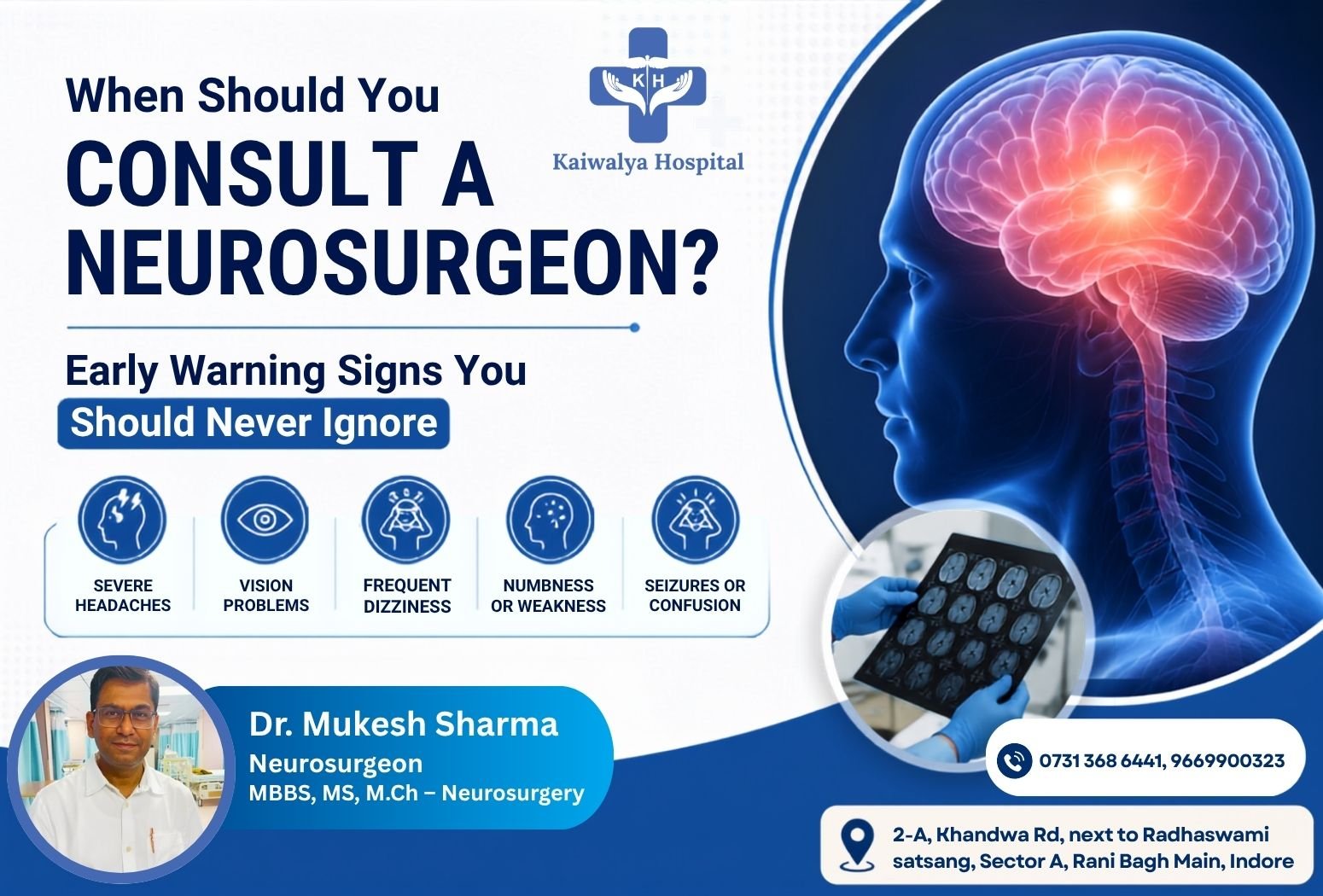
Some headache symptoms may indicate serious health conditions. You should consult a doctor immediately if you experience:
- Sudden severe headache
- Frequent headaches with vomiting
- Blurred vision
- Weakness or numbness
- Difficulty speaking
- Headache after head injury
- Persistent headache lasting for days
Early diagnosis ensures timely care and reduces complications.
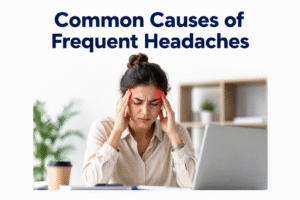
Common Causes of Frequent Headaches
Several factors can trigger headaches, including:
Stress and Anxiety
Mental stress is one of the leading causes of headaches today.
Lack of Sleep
Poor sleep patterns can increase headache frequency.
Dehydration
Studies show that even mild dehydration can trigger headaches.
Excess Screen Time
Long hours on phones or computers strain the eyes and brain.
Hormonal Changes
Hormonal fluctuations can cause headaches, especially in women.
Neurological Conditions
In some cases, headaches may be linked to brain or nerve-related disorders.
Can Frequent Headaches Affect Daily Life?
Frequent headaches can impact much more than just physical health. Many people experience difficulty concentrating at work, disturbed sleep, low energy levels, and emotional stress because of recurring headaches. In severe cases, headaches can even affect relationships and social activities.
Studies show that migraines alone are among the top 10 causes of disability worldwide. People suffering from chronic headaches often miss work, avoid social gatherings, and struggle with reduced productivity.
Getting the Best Treatment for headache in Indore at the right time can help improve overall quality of life and prevent long-term complications.
Headaches in Children and Teenagers
Headaches are not limited to adults. Children and teenagers can also suffer from frequent headaches due to:
- Excessive screen time
- Stress from studies
- Poor sleep habits
- Dehydration
- Vision problems
Parents should never ignore repeated headaches in children, especially if they are associated with vomiting, dizziness, or behavioral changes.
Consulting the Best Neurosurgeon in Indore can help identify the cause early and ensure proper treatment.
Migraines vs Normal Headaches
Many people confuse migraines with regular headaches, but they are quite different.
Normal Headache
- Mild to moderate pain
- Usually caused by stress or fatigue
- Improves with rest or medication
Migraine
- Severe throbbing pain
- Often affects one side of the head
May cause nausea, vomiting, and sensitivity to light

Migraines often require specialized treatment and lifestyle management.
Can Stress Trigger Headaches?
Yes, stress is one of the most common causes of headaches today. Emotional pressure, work stress, anxiety, and lack of relaxation can tighten muscles and trigger pain.
According to medical studies, nearly 70% of tension headaches are linked to stress and mental fatigue.
Simple relaxation techniques like meditation, breathing exercises, and proper sleep can help reduce stress-related headaches.
The Role of Sleep in Headaches
Poor sleep habits can directly affect brain health and increase headache frequency.
Lack of sleep may lead to:
- Increased migraine attacks
- Reduced concentration
- Irritability and fatigue
- Poor mental health
Doctors recommend 7–8 hours of quality sleep daily to maintain healthy brain function and reduce headaches.
Foods That May Trigger Headaches
Certain foods and drinks may trigger headaches in some people, including:
- Excess caffeine
- Processed foods
- Alcohol
- Chocolates
- Artificial sweeteners
Maintaining a headache diary can help identify personal food triggers and avoid frequent episodes.
Advanced Diagnosis for Frequent Headaches
At our center, advanced diagnostic methods are used to identify the exact cause of headaches.
Diagnostic Tests May Include:
- MRI Brain Scan
- CT Scan
- Neurological Examination
- Blood Pressure Monitoring
- Vision Assessment
Proper diagnosis is essential for effective treatment and long-term relief.
Treatment Options for Chronic Headaches
Treatment depends on the type and cause of the headache. Options may include:
- Medications for pain relief
- Migraine management therapy
- Stress management techniques
- Lifestyle modifications
- Preventive medications for chronic migraines
With the right approach, many patients experience significant improvement in symptoms.
Emergency Signs That Require Immediate Attention
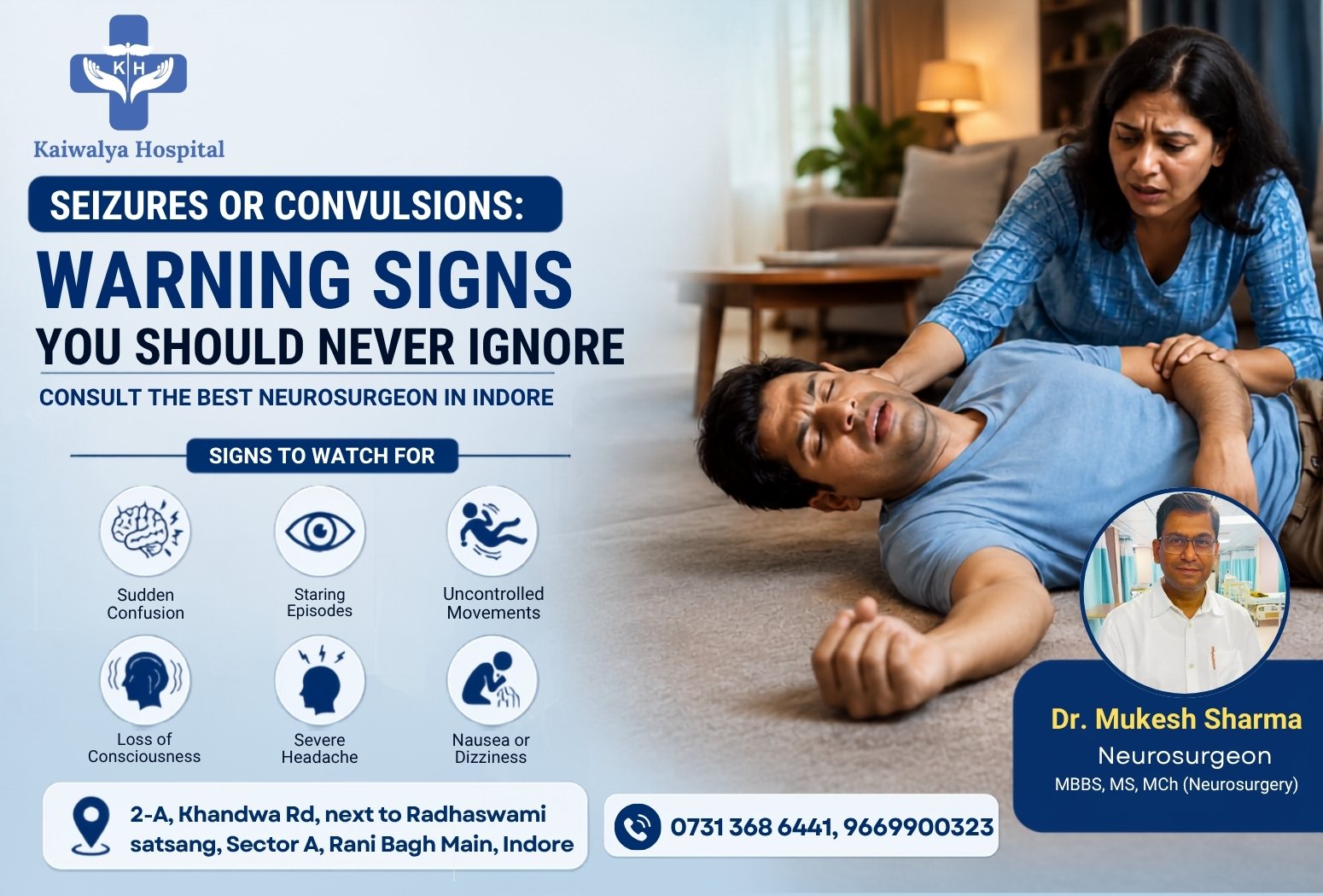
You should seek emergency medical help if a headache is accompanied by:
- Loss of consciousness
- Sudden confusion
- Difficulty speaking
- Seizures
- Sudden weakness or paralysis
These symptoms may indicate serious neurological conditions such as stroke or brain injury.
Why Patients Trust Kaiwalya Hospital
Kaiwalya Hospital is trusted for advanced neurological and emergency care. Recognized as a Best Hospital in Khandwa Road Indore, the hospital focuses on patient safety, accurate diagnosis, and compassionate treatment.
What Makes Us Different?
- Experienced neurological specialists
- Advanced diagnostic technology
- Emergency care facilities
- Personalized treatment plans
- Patient-focused approach
Patients receive complete support from diagnosis to recovery under one roof.
Long-Term Prevention Tips for Headaches
Preventing headaches often requires consistent lifestyle habits.
Healthy Practices Include:
- Drinking enough water
- Following a regular sleep schedule
- Managing stress effectively
- Limiting screen exposure
- Exercising regularly
- Avoiding skipped meals
These small habits can greatly reduce headache frequency and improve overall well-being.

When Should You Visit a Neurosurgeon?
You should consult a specialist if:
- Headaches are becoming more frequent
- Painkillers are not helping
- You experience dizziness or fainting
- Headaches disturb your daily life
- Symptoms worsen over time
Consulting the Best Neurosurgeon in Indore ensures timely diagnosis and proper care.
Why Choose Dr. Mukesh Sharma?
Dr. Mukesh Sharma is known for his expertise in neurological and brain-related conditions. Patients trust him for accurate diagnosis and compassionate care.
Key Highlights:
- Expertise in neurological disorders
- Advanced headache and migraine treatment
- Personalized treatment plans
- Focus on long-term recovery and brain health
As the Best Neurosurgeon in Indore, Dr. Mukesh Sharma helps patients receive proper evaluation and effective care.
Services We Provide
At our center, we offer comprehensive neurological care with advanced diagnostic support.
Headache & Migraine Treatment
Personalized treatment plans for chronic headaches and migraines.
Neurological Evaluation
Advanced assessment for brain and nerve-related conditions.
Brain Imaging & Diagnostics
Accurate tests for identifying underlying neurological problems.
Emergency Neurological Care
Quick response for severe headache and emergency conditions.
We are also recognized as a Best Hospital in Khandwa Road Indore for advanced neurological and emergency care.
Why Early Treatment Matters
Ignoring headaches for a long time can lead to:
- Reduced productivity
- Poor sleep quality
- Emotional stress
- Increased risk of complications
Early consultation for the Best Treatment for headache in Indore can improve quality of life and prevent serious issues.
Real Facts You Should Know
- Nearly 1 billion people worldwide suffer from migraines
- Women are 3 times more likely to experience migraines than men
- Around 70% of chronic headache patients ignore symptoms initially
- Proper treatment can reduce headache frequency by up to 60–70%
Lifestyle Tips to Prevent Headaches
Simple lifestyle changes can help reduce headaches:
- Drink enough water daily
- Maintain proper sleep habits
- Limit screen time
- Exercise regularly
- Avoid excessive stress
- Eat balanced meals on time

Healthy habits play an important role in preventing frequent headaches.
FAQs
1. Where can I get the Best Treatment for Headache in Indore?
Residents of Ganesh Nagar can consult Dr. Mukesh Sharma for the Best Treatment for headache in Indore with advanced neurological care.
2. Who is considered the Best Neurosurgeon in Indore for headache treatment?
Patients from Khandwa Naka Indore trust Dr. Mukesh Sharma as the Best Neurosurgeon in Indore for migraine and neurological care.
3. Is there a Best Hospital in Khandwa Road Indore for neurological problems?
Patients from Bhawarkuan can visit a Best Hospital in Khandwa Road Indore for advanced headache and brain-related treatments.
4. Can I consult for the Best Treatment for Headache in Indore?
Residents of Rani Bagh can access the Best Treatment for headache in Indore with proper diagnosis and personalized care.
5. Do you provide consultation with the Best Neurosurgeon in Indore?
Patients from Tejaji Nagar can consult the Best Neurosurgeon in Indore for chronic headaches and neurological concerns.